
MIDDLE EAST LIVE 18 March: Lebanon displacement tops one million as nuclear safety concerns raised

18th March 2026
The crisis in the Middle East continues, with ongoing strikes and rising humanitarian needs. The UN nuclear watchdog reported Wednesday that a projectile struck the site of Iran’s Bushehr nuclear power plant, although no casualties have been reported. In Lebanon, the humanitarian situation is worsening, with hundreds reported killed and more than one million people displaced. UN agencies are scaling up emergency assistance despite mounting challenges.
HIGHLIGHTS
Strike hits structure near Iran nuclear plant: The IAEA confirms a structure about 350 metres from the Bushehr nuclear power plant reactor was hit and destroyed. No damage to the reactor or injuries were reported, but the agency warned that any attack near nuclear facilities risks violating key safety principles.
UNIFIL warns of further escalation after overnight violence: The UN peacekeeping mission in Lebanon described last night’s surge in violence as a “further worrying deterioration” in the region.
Lebanon crisis deepens: Hundreds have been reported killed and more than one million displaced amid continued airstrikes and expanding displacement orders.
Attacks on healthcare raise alarm: WHO reports a surge in strikes on health facilities across the region, with medical workers among those killed, further disrupting already strained health systems.
IMO holds emergency meeting: The UN maritime agency is convening an extraordinary meeting in London to assess risks to shipping and seafarers in the region.
Seafarers at risk in Gulf waters: Rising incidents targeting vessels in and around the Strait of Hormuz are threatening maritime safety, with multiple casualties reported and growing concern for crews.
Oil prices have risen to well over $100 a barrel following a strike on Iran's South Pars offshore gas field - the world's largest - which Qatar shares.
UN trade body analyses disruptions to crucial Strait of Hormuz
Here are some of the key takeaways from the UN trade and development agency's (UNCTAD) new analysis of implications for the sustained closure of the Strait of Hormuz.
Disruptions in the Strait of Hormuz underscore the vulnerability of critical maritime chokepoints to geopolitical tensions and their potential to jolt supply chains and commodity markets.
Reducing risks to global trade and development, including environmental risks, requires de-escalation and safeguarding maritime transport, ports and seafarers, and other civilian infrastructure, while maintaining secure trade corridors in line with international law and freedom of navigation.
Economic impacts, both globally and for the region, will depend on the duration, intensity and geographic scope of the tensions. Continued monitoring is essential to assess evolving risks and their potential impacts.
Socio-economic implications for developing economies: Many developing countries already face high debt service burdens, limited fiscal space and constrained access to finance.
In this context, rising energy, transport and food costs could strain public finances and increase pressure on household budgets – particularly in economies heavily dependent on imported energy, fertilizers and staple foods.
You can find the full report and plenty of other charts and graphics here.

Airstrikes in Iran drive casualties, displacement and service disruptions
Ongoing airstrikes across Iran have caused significant civilian casualties, widespread damage and large-scale displacement, with impacts reported in at least 20 provinces.

Strikes on critical infrastructure, including fuel depots and a desalination plant, have disrupted essential services and raised serious public health and environmental concerns. Power outages and water shortages have been reported in several areas.
Millions of people are believed to have fled affected cities, while damage to homes, health facilities and cultural sites continues to mount. Humanitarian partners warn of rising stress and trauma among affected populations, alongside growing challenges for first responders.
Aid response scales up in Lebanon amid new strikes
UN agencies and partners are expanding emergency assistance across Lebanon, providing food, shelter, water, medical care and nutrition support to families displaced overnight.
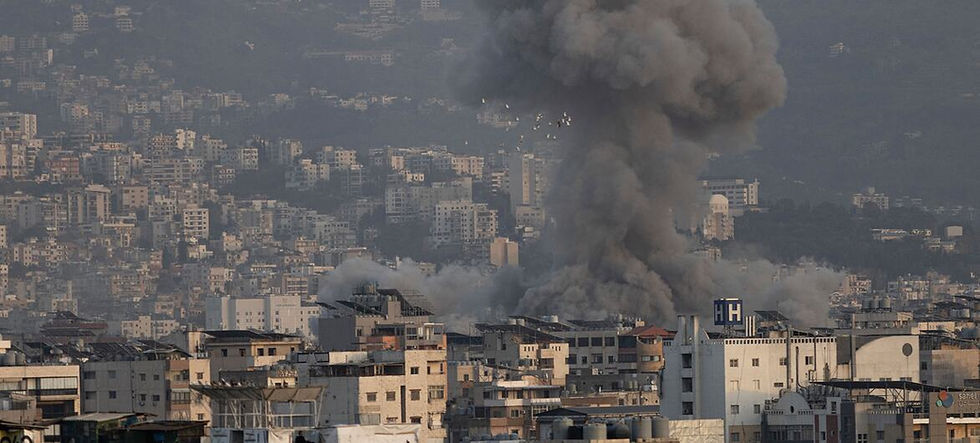
This comes as Israeli strikes on central Beirut reportedly caused additional casualties and damage to residential areas, including the collapse of a multi-storey building. Hospitals have also been affected, with health workers injured.
More than one million people are now displaced, including 367,000 children. Aid efforts include the distribution of shelter items, hygiene kits and clean water, while thousands of vulnerable children and women are receiving nutritional support.
Limited aid enters Gaza as shortages remain
The UN Office for Project Services (UNOPS) reports that more than 400,000 litres of fuel were collected in Gaza on Tuesday, alongside seven truckloads of water, sanitation and hygiene supplies through Kerem Shalom/Karem Abu Salem – the only operational crossing.
Shelter assistance has reached over 11,000 people in the past week, but stocks of tents, bedding and other essentials are rapidly running out. Aid groups warn that relying on local markets is not sustainable amid ongoing supply constraints.
The UN stands ready to resume medical evacuations once Rafah reopens, and continues to call for additional crossings and safe, unhindered humanitarian access, UN Deputy Spokesperson Farhan Haq told journalists at his regular news briefing in New York.
“We also keep calling for more crossings to open for cargo,” he added.
IAEA confirms strike near Iran nuclear plant
The UN nuclear watchdog – International Atomic Energy Agency (IAEA) – says a structure about 350 metres from the Bushehr nuclear power plant reactor was hit and destroyed following a projectile incident on Tuesday evening.
No damage to the reactor itself or injuries to staff were reported.
“Any attack at or near nuclear power plants violates the seven indispensable pillars related to ensuring nuclear safety and security during an armed conflict and should never take place,” Director General Rafael Mariano Grossi said.
How is the conflict in the Middle East affecting health care in Gaza?
Now in its third week, the latest escalation is placing growing strain on health systems across the region, with rising injuries and displacement, continued attacks on healthcare, and increasing public health risks.
In Gaza, most crossings have remained closed since 28 February, with only Kerem Shalom/Karem Abu Salem operational. Medical evacuations have also been suspended.
According to the World Health Organization (WHO), the closures are disrupting the delivery of medical supplies and fuel, severely affecting health services. Hospitals are operating under strain amid shortages of medicines, supplies and fuel, which is being rationed to prioritize emergency care, maternal and neonatal services, and treatment of communicable diseases.
The Rafah crossing is expected to reopen this week, which could allow medical evacuations to resume.
Meanwhile, emergency medical team rotations into Gaza have restarted, but remain limited, increasing pressure on health workers. In the West Bank, movement restrictions continue to delay ambulances and patients.
Lebanon crisis deepens for displaced families
Thousands of families across Lebanon are fleeing their homes as ongoing strikes intensify, with many taking shelter in overcrowded conditions.
Children are among the most affected, facing heightened risks to their health, safety, and wellbeing as access to basic services is lost.
The UN Children's Fund (UNICEF) is on the ground providing essential support, including healthcare, safe water, emergency supplies, and psychosocial care for children experiencing trauma.
Calls for urgent de-escalation are growing, as aid groups stress the importance of protecting civilians - especially children - from further harm.
Like to get involved? Become a Member of UNAA
Like to Find Out more about UNAA
or make a valuable donation to UNAA's work


Comments